
Table of Contents
In today's world, wedding preparation has transformed from a simple family tradition into a large-scale project requiring a professional approach. Many couples, encountering the organization of their own celebration for the first time, are faced with a barrage of questions: how to choose a venue, find reliable vendors, create a timeline for the day, and stay within budget? It is at this moment that a wedding planner steps in – a specialist capable of turning the preparation for the most important day of your life from a stressful situation into a pleasant journey.
Who is a wedding planner and what do they do?
A wedding planner is a professional who takes on all organizational matters for the preparation and execution of a wedding celebration. They are more than just a coordinator—they are a strategist, project manager, and trusted confidant to the couple all at once.
A wedding is a meal. One of the main things in your life. The flavor of your meal will depend entirely on the quality of the ingredients used (wedding contractors) and the person who prepares it.
You can prepare it yourself. It will take a lot of your time, as you will have to sift through a lot of cookbooks (or rather, wedding planning websites). In the end, it will turn out nice, and your guests will be indulgent – they will loudly praise you for a wonderful celebration, acknowledging your bravery and self-sacrifice, and the next day they will forget about the meal they ate.
Can you invite a chef and not worry about the cooking process? The wedding planner is the chef, and their cost directly depends on their talent. Choose one who shares your taste preferences (read: values).
The main tasks of a wedding planner:
- Wedding planning - developing the concept, style, and format of the celebration, and creating a detailed preparation plan taking into account all the couple's wishes
- Contractor selection – Search for and recommend trusted specialists: photographers, decorators, florists, stylists, and coordinate their work
- Budgeting – Cost estimation, expense control, cost optimization
- Day D coordination – timeline creation, unforeseen situation resolution, contractor communication
Why should you trust a professional to organize your wedding?
Saving time and nerves
Wedding planning is a process that requires significant time. According to statistics, the average celebration takes over 250 hours to organize. Imagine how much time you'll have to dedicate to preparation while balancing it with work and daily life!
A wedding coordinator frees the newlyweds from having to dive into the intricate details of organization, allowing them to focus on the enjoyable aspects of wedding preparation – choosing outfits, wedding rings, and anticipating the celebration.
According to The Knot, more than 72% couples experience significant stress when planning their wedding on their own, while hiring a professional wedding planner reduces that number to 25%.Access to verified contractors
A good chef is not just a skilled cook, but a true conductor of an orchestra. Under their watch, the kitchen looks as neat as if they were preparing for one person, not a hundred: everything is in its place, everyone knows their job and does it well, because the chef themselves selected all their staff – those who do their jobs as well as they do. They personally choose the ingredients for a dish ordered by a client, because they know exactly what kind of salt is needed for the sauce that will perfectly complement the dish.
This is exactly how a wedding planner works with vendors. A professional planner has an extensive database of vetted professionals—from photographers to catering companies. They know each vendor's strengths and can recommend those who are perfect for bringing your wedding concept to life. This saves the couple from having to sift through countless portfolios and attend dozens of meetings.
Additionally, contractors often offer special conditions for clients referred by wedding agencies with whom they regularly collaborate. This can lead to significant budget savings. According to a study Wedding Wire, Couples who work with wedding planners save, on average, between 10% and 15% of their wedding budget thanks to discounts from trusted vendors and smart budgeting.
Professional insight and experience
A wedding planner sees the big picture. With experience in dozens, if not hundreds, of weddings, they can offer creative solutions, anticipate potential problems, and suggest alternative options.
A good chef is a professional who performs minimal actions with maximum effectiveness. Always buy the result, not the number of hours spent.
An experienced organizer knows all the intricacies of the marriage registration process, the specifics of working with different venues, and the nuances of menu planning and alcohol calculation. They can advise on how to optimize expenses without compromising the quality of the celebration.
Day D coordination
The wedding day is the culmination of all the preparation, when everything should run like clockwork. The wedding planner takes responsibility for adhering to the schedule, meeting guests, coordinating all services, and resolving unforeseen situations.
A good chef is a great leader, and a good kitchen is always a well-coordinated team effort with efficient members. They are also a good administrator, managing ingredient procurement and the competence of the waitstaff. They are also a true magician – they create an atmosphere in the dining room with such ease that the customer simply comes to enjoy good food and a pleasant setting, as if all the magic happens by itself, without noticing the synchronized work of a large mechanism, the heart of which is the chef, who will appear at your table at the end of service, politely accept your thanks, and perhaps earn a round of applause from your audience.
Lunch at a restaurant like this will be a lasting memory for you and your guests.
Whether to save money on a chef is up to you.
And at the wedding – the bride and groom can fully immerse themselves in the festive atmosphere, without being distracted by organizational issues, while the coordinator discreetly resolves all emerging problems.
When is a wedding planner needed?
Grand or large-scale celebration
If you are planning a wedding with a large number of guests (50 or more), multiple program elements, or an unconventional ceremony (e.g., an outdoor ceremony), professional services become almost a necessity. The more complex the event, the more details need to be considered and coordinated. Each additional element of the celebration – whether it's a show program, special lighting, artist performances, or themed relaxation areas – requires separate coordination and integration into the overall plan for the day.
A professional wedding planner has experience managing complex projects like this and can foresee nuances the couple hasn't even considered – from guest transportation logistics to a backup plan in case of unforeseen circumstances.
Limited time for preparation
If there are less than 3-4 months left until the wedding and preparations are still in the initial stage, a wedding planner will help quickly find available vendors and organize everything necessary in a short period of time. A professional knows which preparation stages can be accelerated and what requires an invariable time resource. For example, many do not consider that tailoring a wedding dress can take several months, and popular venues are booked a year in advance.
A wedding planner knows which vendors may have openings in their schedule due to cancellations of other events and can quickly arrange meetings with key specialists. Additionally, they will help prioritize, focusing on elements critical to creating the festive atmosphere, and find creative solutions for saving time without compromising the quality of the celebration.
Wedding in another city or country
Organizing a wedding away from home presents its own unique challenge, requiring a special approach and local expertise. A local wedding planner knows the specifics of the location, has contacts with reliable vendors, and can handle many issues without your physical presence. They understand local nuances, from climatic conditions to traditions and celebration protocols.
Additionally, a professional will help you navigate the legal aspects of a ceremony abroad, arrange for translators to communicate with local vendors, and advise on optimizing logistics for guests arriving from different parts of the world. When planning a wedding in another country, an organizer becomes your eyes and ears on the ground, conducting venue inspections, tastings, and meetings with vendors, saving you time and money on additional trips.
Couple's employment and desire to avoid stress
If the bride and groom have busy work schedules and aren't prepared to dedicate a significant portion of their time to wedding preparations, a wedding coordinator will take on most of the hassle. The modern pace of life rarely allows for full immersion in planning a celebration, especially considering that many meetings with vendors occur during work hours.
An experienced planner can represent the couple's interests at such meetings, after discussing all key points and preferences in advance. They will create a detailed preparation plan, track the completion of all tasks, and remind the newlyweds of important decisions that need to be made. This way, the couple can focus solely on the enjoyable aspects of wedding preparation, avoiding the stress of simultaneously managing numerous details and vendors. As a result, instead of an exhausting marathon, wedding preparation transforms into a pleasant process of anticipating a special day.
How to choose a wedding planner?
Assessing experience and portfolio is the first step to the perfect wedding.
The first step in choosing an event planner is to carefully examine their completed projects and accumulated experience. Pay attention not only to beautiful photographs but also to the variety of wedding styles and formats in their portfolio. A good planner should be able to adapt to the couple's requests, rather than offering cookie-cutter solutions. It's especially valuable if the specialist has experience working with different budgets and locations – this speaks to their flexibility and versatility.
Study not only the final photos of the celebrations but also the preparation process, if such information is available. It's important to understand how attentive the organizer is to detail, whether they are capable of creating unique concepts and implementing unconventional ideas. Many professionals specialize in a particular wedding style – classic, bohemian, minimalist – and it's important that their aesthetic vision aligns with your ideas of the perfect celebration.
In-person meetings are the foundation of trusting relationships.
Your wedding planner will be with you throughout the entire preparation process for your most important day, and a trusting relationship should develop between you. At the first meeting, assess not only professional qualities but also personal ones – how comfortable you are communicating, whether you feel understood and heard. Pay attention to how the specialist asks questions, how attentively they listen to your wishes, and how they formulate suggestions.
A good planner won't rush to ready-made solutions, but will first try to deeply understand your values, relationship history, and dreams for your wedding day. It's important that the meeting discusses not only the visual aspects of the celebration but also organizational matters – how the preparation process is structured, how often meetings are held, and how communication is carried out. A professional should clearly explain which services are included in the cost and what will require an additional payment.
Reviews and recommendations - real experiences of other couples
Studying reviews and getting recommendations from other couples is an indispensable step in choosing a wedding planner. Request contacts from previous clients or find reviews online, on specialized platforms, and on social media. Pay attention not only to general impressions but also to specific details: how problematic situations were resolved, how clearly agreements were adhered to, and whether the planner was available at important moments.
Feedback containing information on how the specialist handled emergencies is particularly valuable – it is in crisis situations that true professionalism is revealed. It is also important to know how comfortable the couple was working with the organizer on an emotional level, as wedding preparations are often associated with stress and increased sensitivity. Recommendations from acquaintances who have already used this specialist's services can provide the most objective picture, as they are invested in ensuring that your celebration also goes perfectly.
The cost of services is a reasonable investment in a flawless celebration.
The cost of wedding planner services should be assessed within the context of the overall event budget and the scope of services provided. Prices can vary significantly depending on the specialist's experience, reputation, and the region where the wedding will take place. Research the market, compare offers from several planners, and determine a reasonable budget that matches your capabilities and expectations. Remember that a price that is too low may indicate a lack of experience, an incomplete scope of services, or a mass-production approach. A professional planner will provide a detailed estimate of their services, specifying what is included in the cost, and will also explain the pricing structure.
It's important to understand that paying an event organizer isn't just an expense, but an investment in your peace of mind and the flawless execution of one of the most important days of your life. A competent professional will not only relieve you of stress but also help you manage your budget effectively, often saving you money through discounts from regular vendors and the ability to prioritize spending.
What are the different formats of cooperation with a wedding agency?
Full turnkey wedding organization - carefree preparation for a special day
This format of cooperation implies the organizer’s full immersion in the preparation process – from the initial development of a unique celebration concept to coordinating every minute on the wedding day. The wedding planner takes on absolutely all the worries: finding and booking the perfect venue that meets your wishes and budget; careful selection and coordination of all vendors – from photographers and florists to catering and transportation companies; creation of a detailed budget and strict control of all expenses; planning the event logistics and developing a detailed day timeline, even including buffer time for unforeseen situations.
With full organization, you not only receive professional support throughout the entire process but also psychological comfort – as an experienced specialist handles all organizational issues, negotiations, meetings, and approvals. You only need to make key decisions based on the options prepared by the organizer and enjoy the process of preparing for your important event. It is especially valuable that a professional organizer sees the wedding as a whole and can harmoniously combine all elements – from invitations in a unified style with the decor, to thoughtful sound accompaniment for every moment of the celebration.
Partial organization is the ideal balance of participation and support
In a partial wedding organization, a flexible collaboration model is created where the couple can handle the most interesting or understandable aspects of preparation themselves (for example, independently choose a photographer they have experience with, or a decorator whose style completely matches their vision of the celebration), while entrusting other matters to a professional organizer. This format is ideal for couples who want to be actively involved in the process of creating their wedding but realize that some aspects are best left to a specialist.
Partial organization involves a clear division of areas of responsibility, which is fixed in the contract. For example, the organizer can take on the development of the concept, overall coordination of the preparation process, searching for and booking a venue, selecting most contractors, and the couple can independently handle issues of printing, selecting outfits, or organizing musical accompaniment. At the same time, even on matters handled by the newlyweds, the organizer acts as a consultant, helping to avoid common mistakes and integrating all elements into the overall concept of the celebration. This approach allows for reducing the budget for the organizer's services, while maintaining the high quality of the event and avoiding critical errors.
Wedding Day Coordination - Professional Support for the Final Stage
This format of collaboration assumes that the couple independently handles all the preliminary wedding preparations – they choose the concept, find and book a venue, arrange with all vendors, and a professional coordinator gets involved 1-2 weeks before the celebration to ensure its flawless execution. The coordinator thoroughly reviews all arrangements, creates a detailed minute-by-minute timeline for the wedding day, contacts all vendors to clarify details and coordinate times, and holds a final meeting with the couple to discuss all nuances and possible scenarios.
On the wedding day itself, the coordinator is one of the first to arrive at the venue, oversees the installation of decor and technical equipment, meets and coordinates the work of all services, monitors adherence to the schedule, promptly resolves any arising issues and unforeseen circumstances, freeing the newlyweds and their loved ones from needing to be distracted by organizational matters. This format is ideal for couples who want to choose all vendors themselves and develop the concept, but understand the value of professional coordination on the day of the celebration. The presence of an experienced coordinator allows the newlyweds and their loved ones to fully immerse themselves in the festive atmosphere, without worrying about the start time of the reception, the correct order of performers' appearances, or the timely serving of the wedding cake.
Common Misconceptions About Wedding Planners
«It's too expensive and we can't afford it» - the myth of excessive spending
One of the most common misconceptions about wedding planners is the belief that their services are an unaffordable luxury that significantly increases the wedding budget. In reality, the situation is often quite the opposite. An experienced planner can help save a substantial portion of the budget thanks to established connections with vendors and special conditions for regular partners. Wedding venues, catering companies, decorators, and photographers often provide discounts when working through trusted planners with whom they have long-term partnerships.
Additionally, a professional will help you allocate your budget wisely, earmarking funds for truly important elements of the celebration and finding ways to optimize spending on secondary details. An experienced organizer's eye will immediately identify what can be saved on without compromising the impression, and what is worth investing in to create a truly memorable event. Furthermore, there are various collaboration formats with different costs – from full support to coordination only on the wedding day, allowing you to choose an option that suits the couple's financial capabilities.
«We will lose control of our wedding» - the fear of losing individuality
Many couples fear that hiring a professional planner will lead to a loss of control over the preparation process, resulting in a wedding that reflects the specialist's standard ideas of a celebration rather than their own individuality. In reality, a good wedding planner sees their mission in the exact opposite way – their task is not to impose their vision, but to help the couple realize their own dreams and ideas at the highest possible level.
A professional approach implies that all key decisions are made exclusively by the newlyweds, and the organizer acts as an advisor, offering various options and pointing out their practical consequences. Moreover, it is precisely with the help of the organizer that the couple gets the opportunity to bring their boldest ideas to life – because a professional knows how to technically implement almost any concept, taking into account the specifics of the venue, season, and budget. They act not as a dictator of style, but rather as a translator who helps translate the couple's abstract ideas about their ideal celebration into the language of concrete decisions, actions, and agreements with contractors.
«We'll handle it ourselves» - an illusion of simplicity and control
The idea that organizing a wedding is a simple process that can be handled independently is particularly common among couples planning a small, intimate celebration. In some cases, this is indeed possible, especially if one of the future spouses has experience in event management or if it's a very simple ceremony with a minimal number of guests. However, most couples seriously underestimate the amount of work and the number of details requiring attention when preparing even a relatively modest celebration.
Behind the apparent simplicity of beautiful wedding photos lie hundreds of working hours, dozens of consultations, and a multitude of organizational nuances. A lack of experience in planning such events often leads couples to overlook important details, misjudge time commitments, or make critical mistakes that can significantly impact the course of the celebration. For instance, miscalculating the time needed for the bride's makeup and hair can lead to being late for the ceremony, while an incorrect sequence of serving dishes or unaddressed dietary restrictions of guests can spoil the impression of the banquet.
Beyond the risk of organizational failures, DIY wedding planning requires colossal amounts of time and emotional resources. Instead of enjoying the engagement period and anticipating the big day, couples find themselves immersed in endless to-do lists, negotiations with vendors, and the stress of mounting responsibility. A professional wedding planner not only helps avoid common mistakes thanks to their experience but also takes on all the routine work, allowing the newlyweds to focus on the emotional aspect of preparing for their life together.
Agence Chance: Professional organization of your ideal wedding
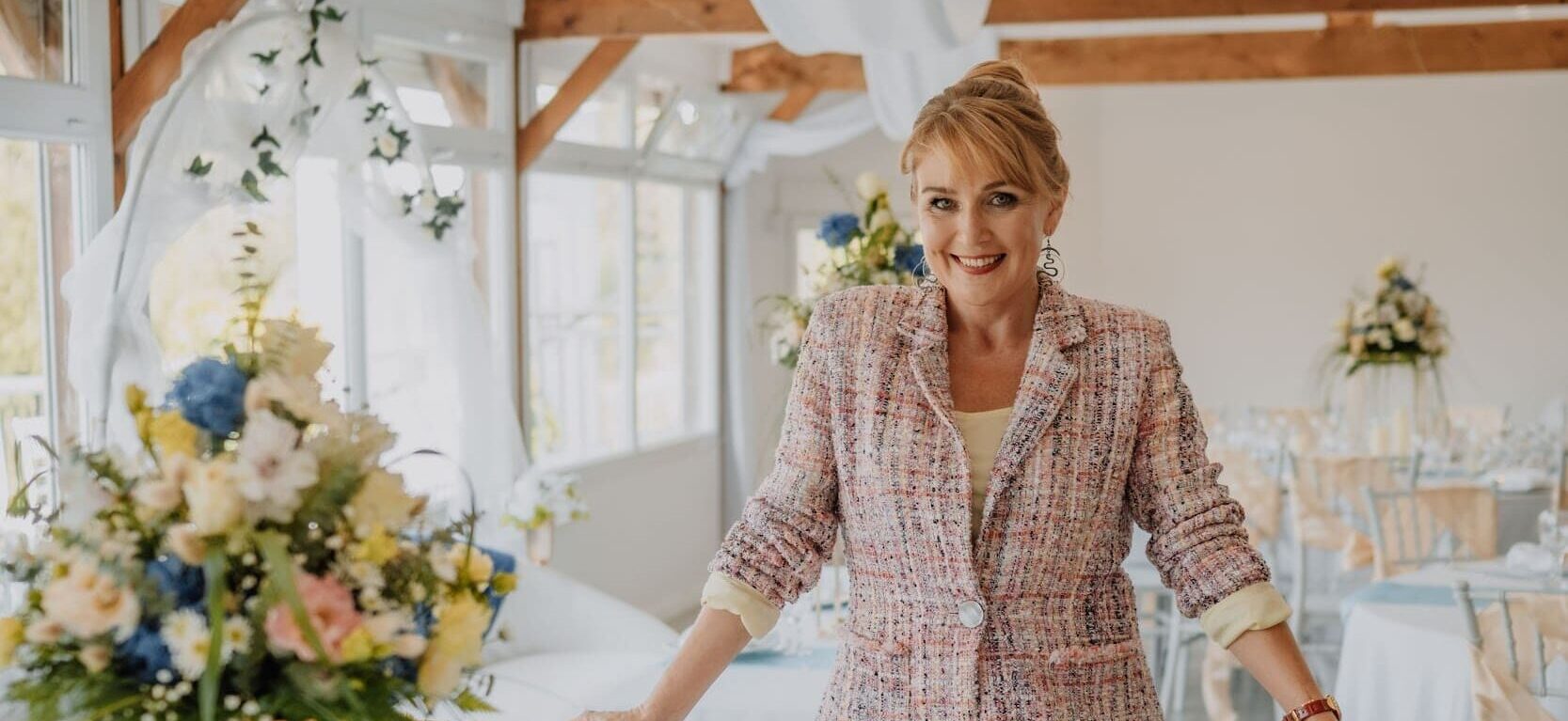
In the world of the wedding industry, a special place is occupied by Agence Chance under the direction of Tatiana Baldyuk. Over the years, the agency's team has organized dozens of flawless wedding celebrations of various scales – from intimate ceremonies to grand festivities with hundreds of guests.
Agence Chance offers a personalized approach to each couple. They do not offer template solutions – instead, a team of professionals carefully studies the wishes and values of the newlyweds to create a truly unique celebration that reflects their individuality.
Tatyana Baldyuk is not just an experienced organizer, but a true visionary in the world of the wedding industry. Under her leadership, the Agence Chance team takes on all stages of preparation: from developing a unique concept to coordinating every minute of the celebration. Impeccable taste, attention to detail, and the ability to anticipate clients' desires make collaborating with the agency not only effective but also truly enjoyable.
Entrusting your wedding organization to the professionals at Agence Chance, you can be sure: your special day will unfold exactly as you dreamed – beautifully, harmoniously, and without a single cause for worry. After all, the agency's main goal is to create a celebration that you and your guests will remember for a lifetime.
Conclusion
A wedding planner is not just a whim or a luxury. They are a professional capable of transforming wedding preparations from a stressful marathon into a pleasant journey, and the celebration itself into a flawlessly organized event that you will fondly remember for years to come.
The decision of whether you need a wedding planner depends on many factors: the scale of the event, your available time, your experience in event planning, and your desire to get involved in organizational matters. But in any case, it's worth remembering: a wedding is a special day that should bring only joyful memories. And a professional planner will do everything possible to make this day exactly that.
Therefore, a wedding agency is not an expense, but an investment in your peace of mind and joy on one of the most important days of your life.